
Not every lighting problem needs an upgrade, but some do. Upgrade vs. Repair Your Landscape Lighting often comes down to recognizing what your system is telling you. Small isolated issues often need repairs, while recurring failures and aging components often point toward broader updates.
We regularly speak with homeowners who feel unsure after another fixture stops working, lights become uneven, or repairs stop feeling permanent. Lighting that worked well previously can begin showing weaker performance during periods of heavier seasonal use.
The guide below helps narrow down whether your system likely needs focused repairs or whether broader updates deserve consideration.
When Repairs Make the Most Sense
Repairs often make sense when one part of the lighting system has a problem while the rest of the system continues operating normally. A single issue does not automatically mean the entire system needs major work.
Isolated Issues
One fixture stopping unexpectedly creates a different situation than multiple fixtures failing throughout the property. Small problems frequently remain isolated to one component.
Common isolated issues include:
- Burned-out bulbs
- Damaged wire connections
- Timer adjustments
- Socket failures
- Fixture alignment problems
Moisture exposure, landscaping changes, and seasonal conditions can affect individual components without creating broader system concerns. We regularly locate damaged underground connections that appear more serious than they actually are.
Newer Systems
Newer systems usually benefit more from focused repairs because many core components still have useful life remaining. Wiring, fixtures, and transformer performance often continue functioning well.
Our technicians commonly inspect:
- Transformer performance
- Wire condition
- Timer operation
- Fixture positioning
- Voltage consistency
Small concerns become easier to identify during annual lighting inspections. Routine evaluations often reveal smaller issues before they create repeated service visits.
Many homeowners realize a broader issue does not exist once the system receives a complete inspection. Looking at the entire system often prevents unnecessary work.
Strong systems sometimes need practical ways to update landscape lighting without replacing fixtures or wiring that continue performing well.
Signs an Upgrade Is the Better Long-Term Choice
Repeated repairs can eventually become more frustrating than helpful. Systems showing recurring failures often begin displaying patterns instead of isolated issues.
Frequent Failures
Homeowners usually notice changes before complete failures happen. Certain lights may work one week and struggle the next, creating uncertainty about what requires attention.
Common warning signs include:
- Multiple fixture failures
- Repeat wiring problems
- Uneven brightness
- Transformer limitations
- Recurring outages
Seasonal demand often makes these issues more noticeable. Longer evenings outdoors, heavier nighttime use, and changing weather conditions can place additional strain on older systems.
We regularly see transformers, wiring connections, and aging components begin showing weaknesses once systems operate under heavier load conditions.
Several of these warning signs also appear in lighting repair priorities because similar patterns tend to appear once systems begin developing recurring problems.
Ongoing landscape lighting repair may solve immediate problems, but repeated service visits can become frustrating when failures continue appearing throughout different areas of the property.
Outdated Components
Older equipment can create limitations that repairs alone cannot solve. We frequently inspect systems installed by DIY projects or companies that treat outdoor lighting as a secondary service.
Many homeowners are surprised to realize upgrades do not always require replacing everything. Smaller improvements can strengthen performance while preserving components that still work well.
Homeowners considering landscape lighting upgrades often assume replacing the entire system becomes the only option. Smaller updates sometimes create noticeable improvements without unnecessary work.
Older fixtures sometimes create performance problems that continue spreading throughout the property. Those situations may involve plans to replace outdoor light fixtures that have reached the end of their service life.
| Situation | Repair Makes Sense | Upgrade Makes Sense |
|---|---|---|
| One fixture stopped working | ✓ | |
| Recently installed LED system | ✓ | |
| Multiple recurring outages | ✓ | |
| Aging halogen equipment | ✓ | |
| Widespread system wear | ✓ |
Targeted lighting retrofit options may include:
- LED conversions
- Updated transformers
- Waterproof connectors
- Timer improvements
- Fixture replacements
- Expanded lighting coverage
The Department of Energy shares LED energy guidance, which explains efficiency benefits and longer operating life for modern lighting systems.
Small failures can eventually spread beyond one area of the property, especially when aging components continue creating problems after one section gets repaired.
One issue we commonly find involves newer LED fixtures connected to older transformers, creating inconsistent lighting that homeowners did not expect. We also see newer fixtures connected to aging wiring that creates uneven performance across different areas of the property.
Recurring repairs eventually raise one practical question: does another repair still make sense, or has the system moved beyond quick fixes?
Performance Differences Homeowners Notice After Upgrading
Reliable operation usually becomes noticeable before appearance changes become the biggest difference. Homeowners often notice fewer interruptions before visual improvements become obvious.
More Consistent Lighting
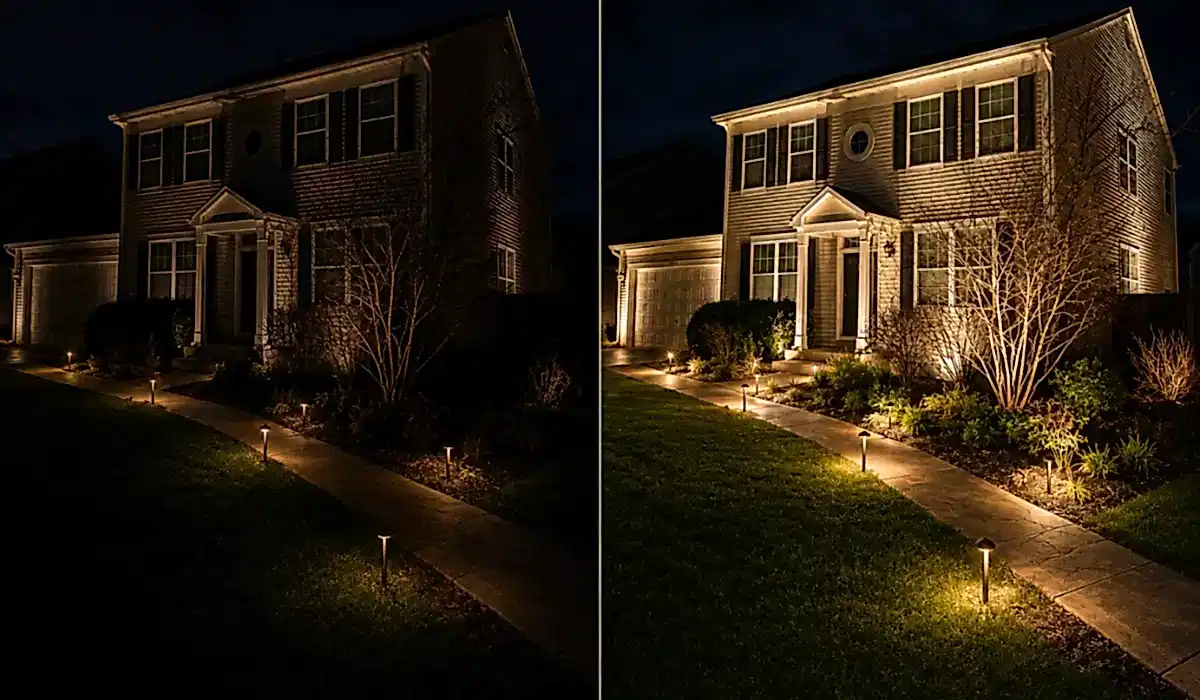
Outdoor lighting should create a balanced appearance across the property without bright and dark areas competing for attention. Older systems sometimes create uneven brightness that changes how outdoor spaces look.
We often recommend targeted updates that improve reliability while keeping components that still operate properly. Similar examples appear in spring lighting upgrades where seasonal use often reveals hidden concerns.
Fewer Outages
Reliable systems generally require less attention throughout the year. Daily use often becomes easier once interruptions and maintenance needs decrease.
Homeowners commonly notice:
- More balanced light output
- Reduced maintenance needs
- Fewer unexpected interruptions
- Better visibility around walkways and gathering spaces
The Department of Energy also explains lighting efficiency standards, which support stronger long-term lighting performance.
How Professionals Help Homeowners Decide
Replacing parts and solving the actual problem are not always the same thing. Two systems showing similar symptoms can require completely different recommendations.
Honest System Evaluations
We first look at how the entire system performs before recommending repairs or upgrades. Two lighting systems can show similar symptoms at night even when the causes are completely different.
Outdoor lighting remains our only focus, which allows The Illuminators Outdoor Lighting to identify issues that can easily be missed when lighting becomes a secondary service.
Homeowners looking for landscape lighting near me are often trying to answer one practical question: does the current system still deserve additional repairs, or does it need a better long-term plan?
Some systems benefit from outdoor lighting retrofit services when wider reliability concerns affect multiple parts of the lighting system.
We commonly evaluate:
Step 1: System age
Step 2: Failure frequency
Step 3: Existing component condition
Step 4: Expansion opportunities
Step 5: Long-term reliability concerns
Homeowner Decision Matrix
The questions below can help narrow down whether repairs or upgrades make more sense before larger decisions get made.
Small issues affecting one area often point toward repairs. Patterns spreading across the property usually suggest larger lighting concerns.
| Question | Repair | Upgrade |
|---|---|---|
| One isolated issue? | ✓ | |
| Multiple recurring failures? | ✓ | |
| System installed recently? | ✓ | |
| Older equipment creating repeat issues? | ✓ | |
| Lighting becoming harder to maintain? | ✓ |
Phased Recommendations
Some properties benefit from staged improvements instead of immediate full replacements. One common situation involves replacing failing fixtures first, then improving timers or transformers later.
This approach improves reliability while keeping components that still work well. More information about our experience and approach appears in our outdoor lighting team.
Additional answers involving maintenance schedules and common concerns appear in lighting system questions.